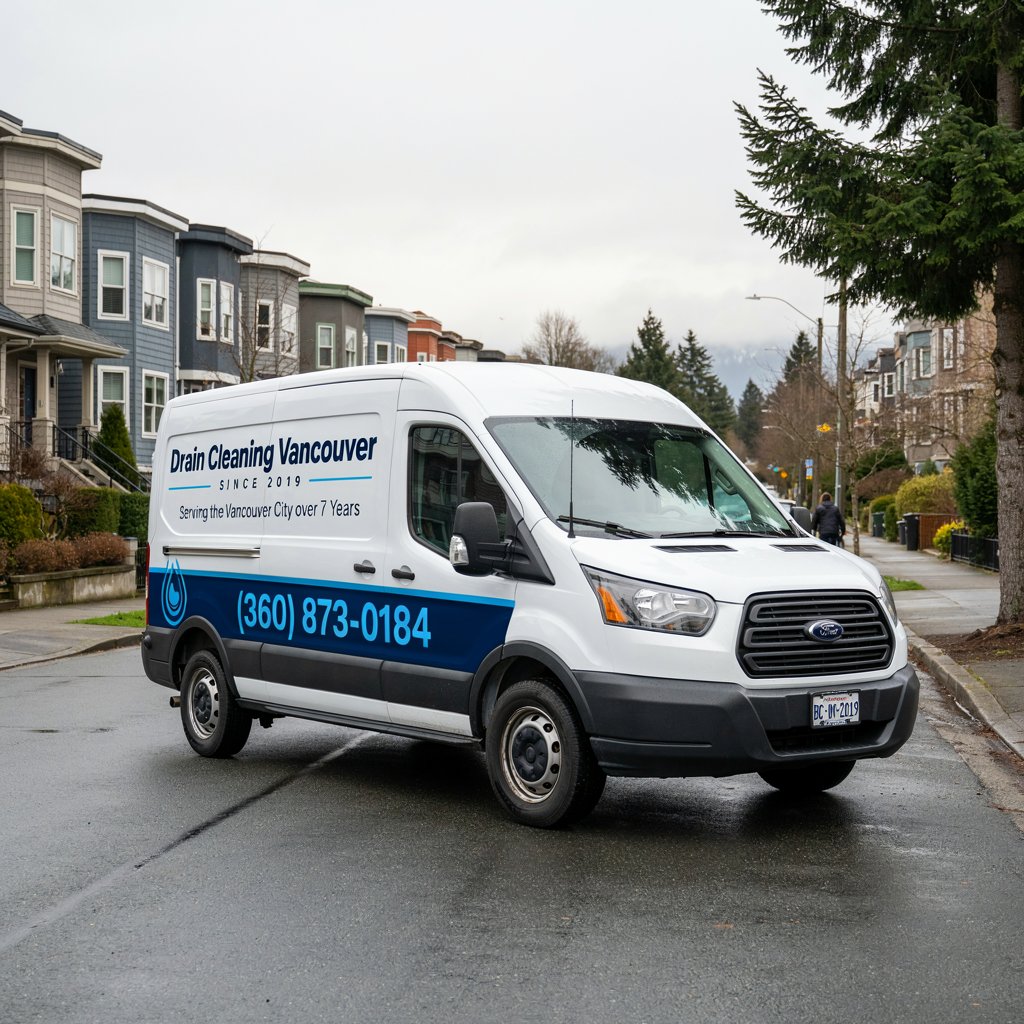
Drain Snaking in Vancouver, WA
Some clogs sit just out of a plunger's reach, tucked past the trap where nothing store-bought can touch them. A motorized cable, sized to your pipe and run by someone who knows the difference between cast iron and PVC, clears the blockage in one visit without guessing at the pressure or the tool.
The Line Between a Plunger Job and a Cable Job
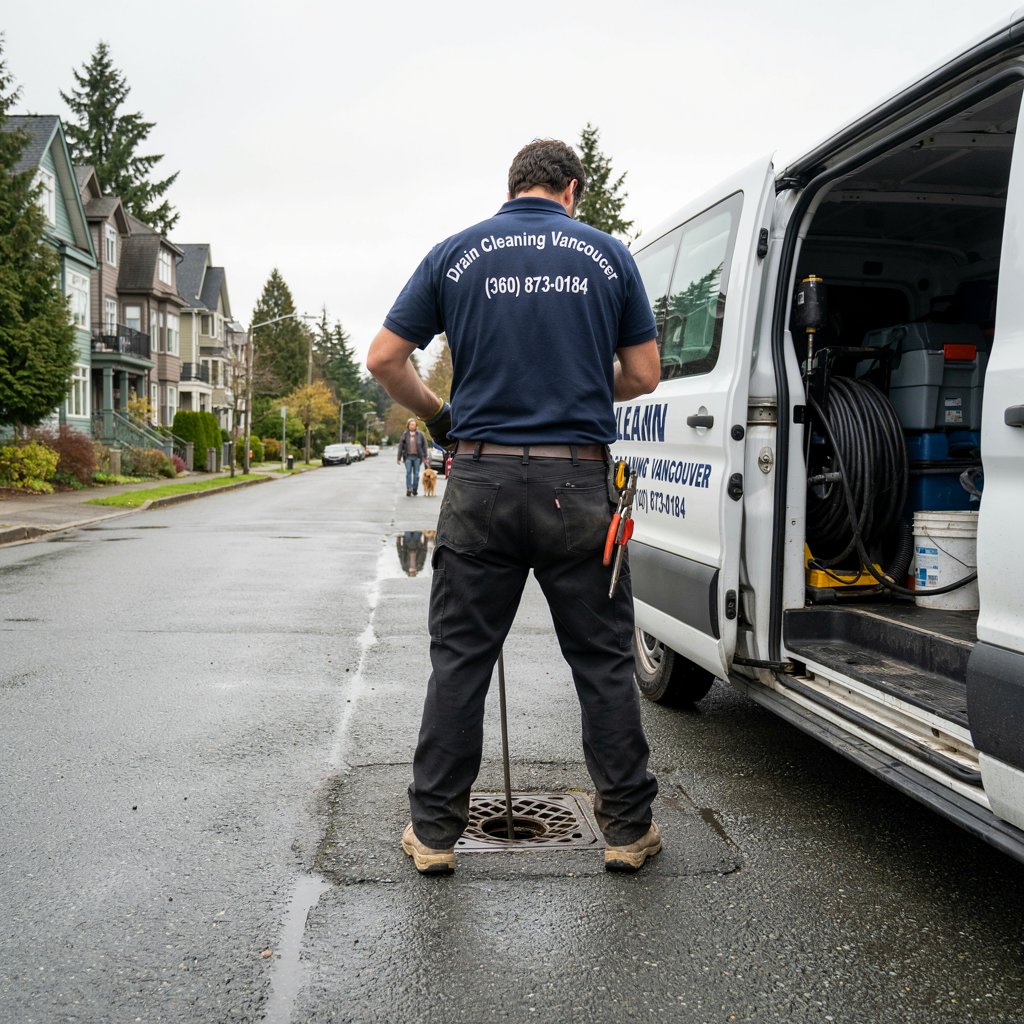
A plunger works by building pressure against a blockage sitting right at the trap, usually a foot or less into the line. Once a clog sits further back than that, a plunger just pushes air around and gets nowhere. That's where a cable machine takes over. A flexible steel cable, fed by hand for a shallow clog or by motorized drum for anything deeper, reaches the blockage directly and grinds or pulls it apart from the inside.
Drain snaking is the workhorse fix for the majority of everyday clogs: hair wound around a shower drain a few feet down, a wad of paper towel stuck in a toilet line, grease that hardened into a plug inside a kitchen branch. It's fast, it doesn't require excavation or specialty equipment, and it's usually the first thing Vancouver's go-to drain cleaners reach for unless the pipe itself needs a closer look first.
What changes the job is the pipe on the other end of the cable. Vancouver homes built before the 1970s, especially around Hazel Dell and Bagley Downs, often run cast iron or clay laterals with decades of interior scale buildup, which narrows the usable pipe diameter and roughens the surface a cable has to travel across. Newer PVC lines toward Salmon Creek and Felida are smoother and wider, and generally clear faster with less cable wear. We check which situation we're in before deciding how aggressive to be with the equipment.
Signs a Cable Is the Fix You Actually Need
Snaking is the right call when a drain is fully or mostly blocked but the pipe itself is structurally sound. That covers most of what shows up as a stopped sink, a tub that won't drain after a shower, or a toilet that a plunger couldn't touch. It's less suited to a line that's coated in grease along its full length, has established root growth, or has a suspected crack or belly, since a cable clears a path through those problems rather than actually fixing them.
A good way to tell the two apart: if the clog cleared quickly the last time it happened and this feels like a one-off, snaking is almost certainly enough. If the same fixture has needed clearing two or three times in the past year, that's usually a sign of something further down the line that a cable keeps working around instead of solving, and it's worth a camera look before paying for another round of the same fix.
Kitchen sinks, bathroom drains, and washing machine standpipes make up the bulk of routine snaking calls we run across Vancouver. Main line clogs, the kind that back up more than one fixture at once, show up less often but need the larger motorized equipment and a bit more time on site to run the cable the full distance to the property line connection.
How a Snaking Call Actually Goes
Quick Assessment
We ask a few questions about the drain, check the fixture, and confirm this is a snaking job rather than something that needs jetting or a camera first.
Cable Selection
We choose cable thickness and cutting head based on the pipe material and the drain's diameter, going lighter on older cast iron and clay, firmer on PVC.
Feeding the Line
The cable advances through the pipe until it reaches the blockage, then the rotating head grinds or hooks through the material until the line is open.
Flow Check and Cleanup
We run water through the fixture to confirm normal drainage, retrieve the cable, and leave the work area exactly as we found it.
Drain Snaking Costs in Vancouver, Explained
Snaking is priced by how far the cable has to travel and what size machine that requires. A fixture drain right off a sink or tub is quick, hand-cable work. A main line clog needs a motorized drum machine and takes longer, which is reflected in the price.
| Job Type | Typical Price Range |
|---|---|
| Fixture drain cabling (sink, tub, shower) | $85 to $220 |
| Toilet line cabling | $110 to $230 |
| Main line cabling (motorized drum) | $235 to $440 |
Treat these numbers as a starting point, not a quote. The final price depends on what our technician finds once the drain is actually inspected, and we always confirm that number with you before starting any work.
Cast Iron, Clay, and PVC: Why Cable Choice Matters Here
Vancouver's housing stock spans roughly eighty years of plumbing practice, and that range shows up directly in how a snaking job needs to be handled. Cast iron laterals, common in homes from the WWII shipyard housing era around Bagley Downs and Minnehaha, corrode from the inside over decades, which can leave rough interior scaling that a stiff cable can snag or scratch. Clay tile, used through the 1960s in similar neighborhoods, is more brittle at the joints, where seasonal soil movement from Vancouver's clay-heavy uplands tends to concentrate stress.
PVC, standard in construction from the 1980s onward and dominant in newer areas like Salmon Creek, Felida, and Orchards, is smoother, more consistent in diameter, and far less prone to interior buildup, which generally makes snaking faster and lets us run slightly more aggressive equipment without concern.
Knowing which material we're dealing with before the cable goes in isn't optional information. It's the difference between a clean fix and an unnecessary repair bill from a scratched or punctured older pipe.
There's also the seasonal side of it. Clark County's wet stretch from November through January raises groundwater levels slightly across the region, and lines that are already narrowed by scale or root intrusion have less margin to handle that added flow. We tend to see snaking calls pick up heading into the fall for exactly that reason, often for drains that had been running fine, just slowly, all summer.
What Makes Our Snaking Calls Different
Cable Matched to Your Pipe
We check the pipe material before choosing cable weight and cutting head, so the fix doesn't create a new problem.
One Confirmed Price
You know the cost before we start. No hourly billing, no surprise add-on once the job is underway.
Backed by a Real Guarantee
If the same drain clogs again from our workmanship within the guarantee period, we return and clear it again at no charge.
Drain Snaking Questions Homeowners Ask Us
What exactly happens during drain snaking?
A flexible steel cable gets fed into the line, by hand for a shallow clog, by motorized machine for anything deeper, and a rotating head at the end grinds through the blockage. It's the standard fix for the majority of everyday clogs.
When would you use hydro jetting instead of snaking?
Snaking punches through a localized blockage. Jetting scours the entire interior wall of the pipe with high-pressure water. Grease coating a line's full length, or established root intrusion, calls for jetting instead.
What does drain snaking cost in Vancouver?
Fixture cabling usually runs $85 to $220 depending on the drain. Main line cabling with a motorized drum machine typically runs $235 to $440. We confirm the exact number with a free inspection first.
Can a cable damage older pipes?
Not when the cable is matched to the pipe. We use lighter cable and a gentler technique on older cast iron or clay lines, and can be firmer on modern PVC. That call gets made during the inspection, before the cable goes anywhere near the line.
Should I have my drains snaked on a regular schedule?
Not usually. A drain flowing normally doesn't need preventative cabling. A fixture that clogs repeatedly is a different story, worth diagnosing for a venting issue or root intrusion rather than treating with a recurring cable run.
Will a cable clear tree roots from my line?
A cutting head cable can open a path through light root growth, but it won't clear roots along a pipe's full length. Established root intrusion usually needs hydro jetting or a dedicated root cutting attachment.
How long does snaking usually take?
Most single fixture jobs run 30 to 60 minutes. A main line takes longer depending on cable length and how deep the blockage sits. We give a real estimate after the initial look.
Is snaking covered by any kind of guarantee?
Yes. If the same drain clogs again because of our workmanship within the guarantee period, we come back and clear it again at no additional charge.
Can I snake my own drain before calling you?
A store-bought hand auger can work for a shallow, simple clog, and there's no harm trying one first. Just avoid forcing it if you feel real resistance, since a home auger applied too aggressively can crack an aging clay or cast iron fitting. If it doesn't clear within a few minutes of gentle effort, that's usually the point to call rather than keep pushing.
Let's Get That Line Moving Again
Call now and describe the clog. Most Vancouver homes get a same-day snaking appointment, with a confirmed price before we touch the pipe.
Browse Every Service by Property Type
Residential
- ✓ Clogged Drain Clearing
- ✓ Drain Snaking
- ✓ Hydro Jetting
- ✓ Video Camera Drain Inspection
- ✓ Root Removal
- ✓ Sewer Line Cleaning
- ✓ Bathroom Drain Cleaning
- ✓ Kitchen Drain Cleaning
- ✓ Toilet Drain Cleaning
- ✓ Laundry Drain Cleaning
- ✓ Basement Drain Cleaning
- ✓ Roof Drain Cleaning
- ✓ Downspout Drain Cleaning
- ✓ Preventative Drain Maintenance
- ✓ Emergency Drain Cleaning
- ✓ Drain Odor Diagnosis and Removal
- ✓ Slow Drain Diagnosis and Repair
- ✓ Vent Stack Cleaning
- ✓ Water Leak Detection
- ✓ Floor Drain Cleaning
Commercial
Where We're Based
Based at 609 NE Repass Rd in Vancouver, WA, running cable jobs across the surrounding area every day of the week.