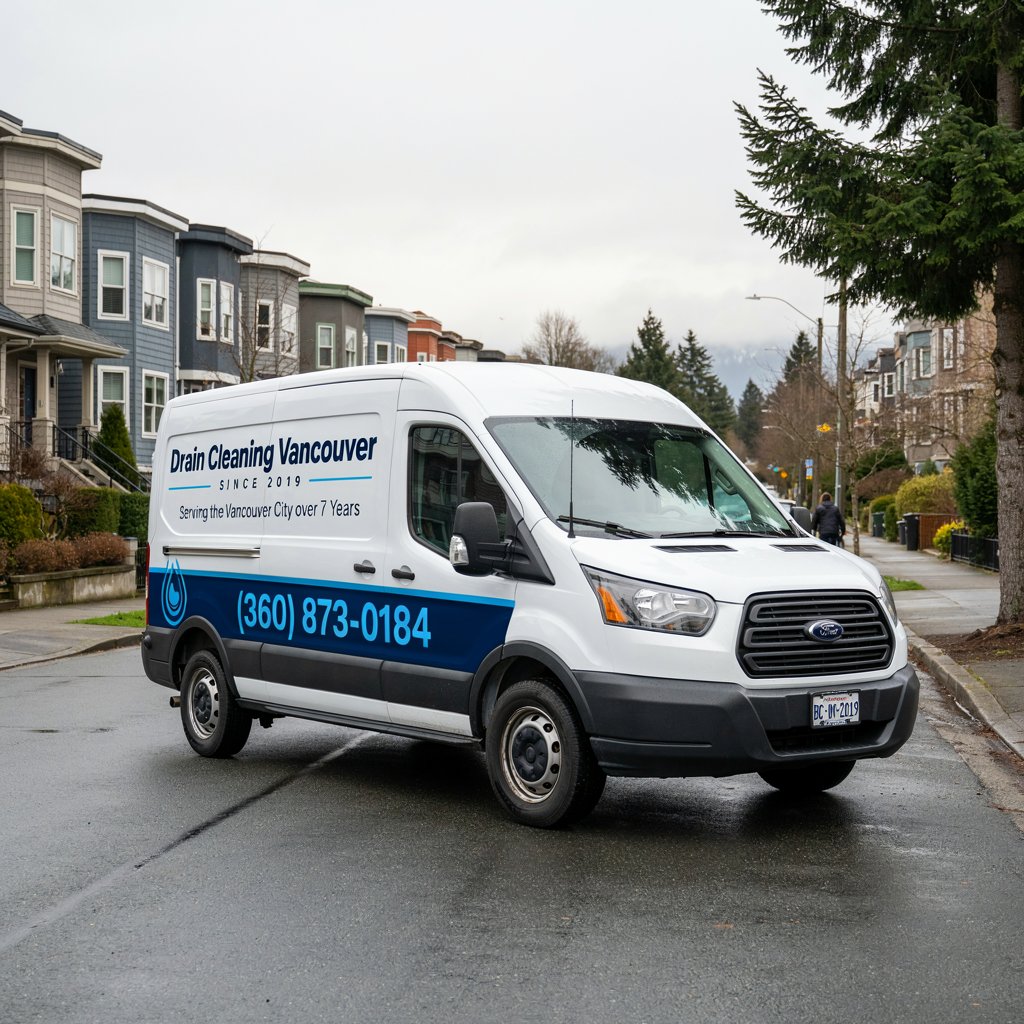
Industrial Drain Cleaning in Vancouver, WA
A 12-inch process main carrying oils and particulate solids doesn't respond to a light-duty cable machine. Truck-mounted hydro-jetting rated to 4,000 PSI, camera-verified diagnosis, and crews trained on lockout/tagout protocols handle lines from 2 to 24 inches without disrupting production.
Built for Lines Standard Equipment Can't Touch
Manufacturing plants, processing facilities, and warehouse operations run drain and sewer infrastructure at a scale most commercial service simply isn't equipped for. Standard commercial work addresses 2 to 4 inch fixture and branch lines with light-duty cable machines, the kind found in a retail space or restaurant. Industrial facilities run 6 to 24 inch process and sanitary mains carrying heavier solids loads, oils, and in some cases regulated waste streams, requiring truck-mounted hydro-jetting rated for 3,000 to 4,000 PSI at high GPM flow, root-cutting attachments, and crews trained on lockout/tagout and confined-space protocols around active production equipment.
Southwest Washington's industrial drain specialists provide equipment rated across that full range: jetting units and sectional cable machines that service lines from 2 inches up to 24 inches in diameter, from process floor drains to primary sanitary and storm mains beneath a facility. Self-leveling push and crawler cameras verify results and identify the actual cause of a recurring blockage, whether that's grease and oil solidification, fibrous or particulate solids settling in low-flow sections, scale buildup in older cast iron or clay lines, or piping that's simply undersized relative to current production volume.
Facilities handling process chemicals, industrial wastewater, or other regulated effluent get service that works within their existing environmental compliance protocols, including proper containment and disposal documentation. We coordinate with your EHS or facilities team ahead of time on any waste handling requirements specific to your permit, and we schedule around production shifts so work proceeds without a full facility shutdown wherever the line configuration allows it.
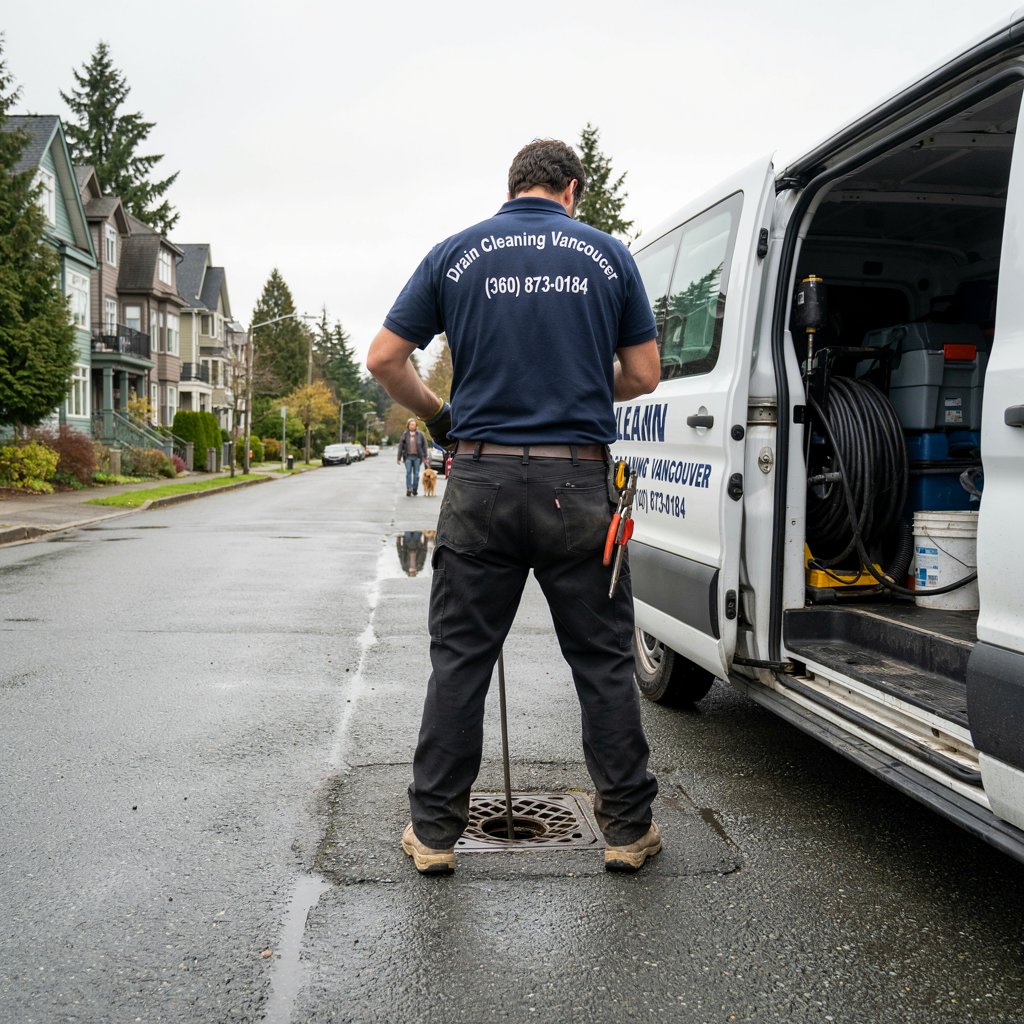
Signs Your Facility's Drain System Needs Service
Recurring blockages at the same location, despite repeated cleaning, indicate an underlying cause that hasn't been identified: undersized piping, an improper slope, or a section where solids consistently settle out of suspension. Slow drainage across multiple floor drains or fixtures simultaneously, rather than a single isolated point, typically points to a restriction in a shared main line rather than a localized clog.
A camera inspection resolves the ambiguity definitively. Facilities that have been treating symptoms with repeat cable or jetting service without ever identifying the root cause are the clearest candidates for a full diagnostic pass before the next scheduled visit.
Industrial Infrastructure Across Clark County
Clark County's industrial base runs from the manufacturing and distribution corridors along Fruit Valley and the Columbia River waterfront to processing and warehouse operations spread through Orchards and the Salmon Creek area. Many facilities built during the region's industrial expansion decades ago still run original cast iron or clay sanitary mains sized for a production volume the facility has since outgrown, a mismatch that shows up as chronic slow drainage or recurring blockages that no amount of routine cleaning fully resolves.
Newer facilities more often run PVC or HDPE process piping, which handles chemical exposure and scale differently and calls for equipment and cleaning method selection specific to that material.
Our Process for Industrial Drain Cleaning
Camera Diagnosis
We identify the specific cause, scale, roots, solids settling, or undersized piping, before selecting a method.
Hydro-Jetting or Cable Service
Truck-mounted jetting up to 4,000 PSI or sectional cable equipment matched to line diameter and material.
Waste Handling Coordination
Containment and disposal follow your facility's existing environmental compliance protocols.
Documentation
Camera footage, written findings, and a service record for your maintenance and compliance files.
Cost Of Industrial Drain Cleaning In Vancouver
Costs scale with line diameter, access difficulty, and waste characteristics rather than a flat per-visit rate.
| Service | Typical Price Range |
|---|---|
| Standard line clearing (up to 6") | $250 to $550 |
| Large-diameter jetting (8" to 24") | $650 to $1,850 |
| Camera inspection | $200 to $450 |
| Scheduled maintenance contract | Quoted per facility |
These are planning estimates. Facilities on a maintenance contract typically see lower per-visit costs than one-off emergency calls.
Equipment and Crews Rated for the Scale
Rated for Industrial Scale
Equipment and crews built for 2 to 24 inch lines, not retrofitted commercial gear.
Lockout/Tagout Trained
Crews trained on confined-space and lockout/tagout protocols around active production equipment.
Compliance-Ready Documentation
Camera footage and service records filed for your facility's maintenance and audit needs.
Industrial Drain Cleaning FAQs
What makes industrial drain cleaning different from standard commercial service?
Standard commercial service typically addresses 2 to 4 inch fixture and branch lines in retail, office, or restaurant settings with light-duty cable machines. Industrial facilities run 6 to 24 inch process and sanitary mains carrying higher solids loads, oils, and in some cases regulated waste streams, which requires truck-mounted hydro-jetting rated for 3,000 to 4,000 PSI at high GPM flow, root-cutting attachments, and crews trained on lockout/tagout and confined-space protocols around production equipment.
What size lines can you service?
Our jetting units and cable equipment are rated to service lines from 2 inches up to 24 inches in diameter, covering everything from process floor drains to primary sanitary and storm mains beneath a facility. For lines larger than 24 inches or vault and manhole access points, we bring specialized nozzles and camera equipment sized to the pipe material and diameter on file.
How much does industrial drain cleaning cost in Vancouver?
Costs scale with line diameter, access difficulty, and waste characteristics rather than a flat per-visit rate. See our pricing table for typical ranges on standard line clearing, camera inspection, and scheduled maintenance visits. Facilities on a maintenance contract typically see lower per-visit costs than one-off emergency calls.
Do you handle facilities with hazardous or regulated waste streams?
Yes. We work within a facility's existing waste management and environmental compliance protocols, including proper containment and disposal documentation when a line carries process chemicals, industrial wastewater, or other regulated effluent. We coordinate with your EHS or facilities team ahead of time on any waste handling requirements specific to your permit.
Can you work during production hours without shutting us down?
In most cases, yes. We schedule around production shifts and can isolate the affected line section so work proceeds without a full facility shutdown. For lines that intersect active process areas, we coordinate directly with your operations team to sequence the work during a planned window or low-throughput period.
What causes recurring blockages in industrial lines?
Recurring blockages are usually driven by grease and oil solidification, fibrous or particulate solids settling in low-flow sections, scale buildup in older cast iron or clay lines, and undersized or improperly sloped piping relative to current production volume. A camera inspection identifies which of these is occurring so the fix addresses the cause, not just the symptom.
Can you set up a preventative maintenance contract for our facility?
Yes, we set up scheduled preventative maintenance contracts on a monthly, quarterly, or semi-annual interval based on your facility's waste volume and line history. A maintenance contract typically costs less per visit than reactive service and reduces the risk of unplanned downtime from an emergency blockage.
What equipment do you use for industrial-scale lines?
We use truck-mounted hydro-jetting units capable of 3,000 to 4,000 PSI at up to 18-20 GPM for large-diameter lines, along with heavy-duty sectional cable machines, root-cutting and descaling attachments, and self-leveling push and crawler cameras for inspection and verification on lines up to 24 inches.
Do you provide documentation for our facility's maintenance records?
Yes, every industrial service visit includes a documentation package with camera inspection footage or stills, a written summary of findings, and a service record you can file for your facility's maintenance and compliance records. This is available on request for audits or insurance purposes.
Is industrial drain cleaning covered by a guarantee?
Yes, industrial drain cleaning work is backed by our standard workmanship guarantee. If a line we've serviced blocks again from the same cause within the guarantee period, we return to address it at no additional charge.
Get Equipment Built for the Scale.
Call to schedule a diagnostic pass or set up a preventative maintenance contract for your facility. We'll bring equipment rated for the actual scale of your lines.
Browse Every Service by Property Type
Residential
- ✓ Clogged Drain Clearing
- ✓ Drain Snaking
- ✓ Hydro Jetting
- ✓ Video Camera Drain Inspection
- ✓ Root Removal
- ✓ Sewer Line Cleaning
- ✓ Bathroom Drain Cleaning
- ✓ Kitchen Drain Cleaning
- ✓ Toilet Drain Cleaning
- ✓ Laundry Drain Cleaning
- ✓ Basement Drain Cleaning
- ✓ Roof Drain Cleaning
- ✓ Downspout Drain Cleaning
- ✓ Preventative Drain Maintenance
- ✓ Emergency Drain Cleaning
- ✓ Drain Odor Diagnosis and Removal
- ✓ Slow Drain Diagnosis and Repair
- ✓ Vent Stack Cleaning
- ✓ Water Leak Detection
- ✓ Floor Drain Cleaning
Commercial
Where We're Based
Based at 609 NE Repass Rd in Vancouver, WA. We service manufacturing, processing, and warehouse facilities throughout Vancouver and the surrounding Clark County industrial corridors.